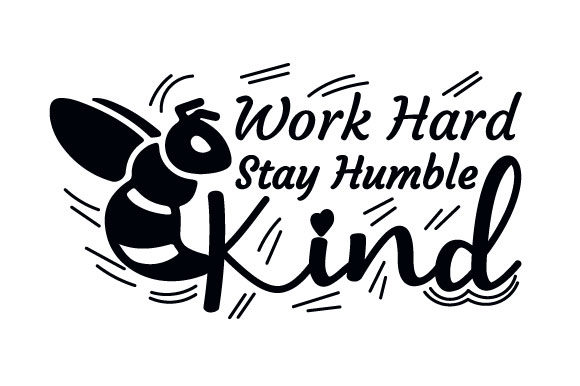
Be Kind Work Hard Stay Humble Bee Quote
As a designer who spends more time looking at stitch lines and fabric grain than scrolling through endless marketplaces, I approach every new embroidery file with a mix of curiosity and skepticism. We have all seen the flood of generic motivational quotes hitting the digital shelves, but few manage to balance aesthetic charm with practical stitching viability. When I first laid eyes on the Be Kind Work Hard Stay Humble Bee Quote, it immediately caught my attention not just for its message, but for how well it seems constructed for real-world application. This is not merely a graphic; it is a machine embroidery design that understands the nuances of thread, tension, and texture.
The core concept here is deceptively simple yet emotionally resonant. The phrase "Be Kind, Work Hard, Stay Humble" paired with a bee motif taps into a universal desire for wholesome, grounded values. For the craft business owner or the Etsy seller, this is gold. It appeals to parents buying for nurseries, professionals seeking motivation, and anyone who appreciates the subtle symbolism of hard work and community represented by the bee. But does it translate from screen to hoop? That is where most designs fail, and where this one shows genuine promise.
First Impressions: Mood and Visual Personality
The visual personality of Be Kind Work Hard Stay Humble Bee Quote leans heavily into cottage-core and modern farmhouse aesthetics, which remain incredibly strong in the handmade market. The bee element provides a natural focal point, breaking up what could otherwise be a dense block of text. From a design perspective, the layout feels balanced. It does not scream for attention; instead, it invites the viewer in. This subtlety is crucial for high-end custom apparel where you want the detail to be discovered rather than forced upon the buyer.
I am particularly interested in how the text interacts with the iconography. In many digital product sellers rush to cram too much information into a small space, resulting in muddy stitches. Here, there appears to be breathing room. The negative space allows the eye to rest, making the final finished product look cleaner and more professional. It suggests a design that respects both the machine’s capabilities and the wearer’s comfort.
Real-World Application: Where Does It Shine?
Let’s talk about actual use cases. I recently imagined using this design for a custom order—a soft, oatmeal-colored organic cotton tote bag for a local yoga studio. The contrast between the neutral fabric and vibrant thread colors would make the bee pop without overwhelming the bag’s utility. Alternatively, picture this on a baby onesie or a burp cloth set. The theme of kindness and humility is perfect for nursery decor or personalized gift items for new parents. The gentle nature of the quote ensures it fits seamlessly into a child’s wardrobe without feeling out of place.
For the small shop product creator, this design offers versatility. It works beautifully as an embroidered patch for denim jackets or backpacks, adding a touch of personality to rugged materials. It also translates well to kitchen textiles. Imagine it stitched onto a flour sack tea towel or a heavy-duty apron. The bee motif adds a rustic charm that elevates a basic kitchen item into a boutique-quality piece. These are the kinds of items that sell themselves because they feel useful and heartfelt.
Furthermore, the design’s adaptability makes it a strong candidate for holiday embroidery. Whether it is a Christmas stocking, a holiday pillow cover, or a New Year’s resolution-themed sweatshirt, the message remains relevant year-round. It is timeless enough to avoid feeling dated after a single season, which is a key factor for long-term inventory planning.
Technical Considerations and Stitch Performance
While the visual appeal is high, the true test lies in the execution. As an experienced reviewer, I must highlight several technical aspects that will determine the success of your project. First, consider the stitch density. Designs with mixed elements—text and illustrative icons like a bee—can sometimes suffer from inconsistent density. If the fill stitch is too dense, the fabric may pucker, especially on lightweight materials. Conversely, if it is too sparse, the backing may show through. Before committing to a full production run, always test the stitch density on scrap fabric to ensure the tension holds up.
The choice of thread colors is equally critical. While the digital preview might look vibrant, the reality depends on your thread palette. A classic black or navy bee on a white background offers stark clarity, while pastel threads on light fabric require careful selection to maintain legibility. I recommend testing the design in a black-and-white mockup to check contrast levels. If the details disappear in grayscale, they will likely get lost in color as well.
Another vital consideration is the hoop size relative to the design dimensions. Ensure that the design fits comfortably within your standard hoops to avoid unnecessary re-hooping, which can lead to registration errors. If you are working with curved surfaces like sweatshirt embroidery or caps, pay close attention to how the text curves. Small lettering on a curved surface can become distorted if not digitized correctly. Inspect the small details closely; tiny serifs or fine lines in the bee’s wings might not render well if the stitch density is not optimized for those areas.
Where to Use With Caution
Not every surface is suitable for this design. Avoid using it on highly textured fabrics like heavy tweed or loose-weave linen unless you are using a stabilizer specifically designed for such materials. Thin, stretchy fabrics like jersey knits can distort the design if proper support is not applied. Additionally, be cautious with very small hoop sizes. If the design includes intricate details, reducing the scale too much may result in a loss of definition, turning a charming bee into a blurry blob. For apparel decorators working with dark fabrics, ensure you are using underlay stitches to prevent the bright threads from sinking into the dark material.
Final Verdict for Designers and Sellers
The Be Kind Work Hard Stay Humble Bee Quote is a solid addition to any design assets library. It strikes a rare balance between being visually appealing and technically feasible. For the creative entrepreneur, it offers a reliable way to create products that resonate emotionally with customers. The inclusion of multiple formats, including SVG and DXF, suggests flexibility for various applications, though it is always wise to verify the specific commercial embroidery rights before selling finished goods.
To maximize the potential of this design, I advise taking the time to experiment with different thread brands and fabric types. Use a proper stabilizer to ensure stability, and always do a test stitch. By paying attention to these details, you can transform a simple digital file into a premium handmade product that stands out in a crowded market. This design is not just about stitching words; it is about conveying a value system that people want to wear and display. With careful execution, Be Kind Work Hard Stay Humble Bee Quote has the potential to become a staple in your catalog, driving engagement and trust with your audience.