Eat Sleep Fish Repeat: A Bold Embroidery Design for Creative Projects
As an experienced embroidery designer and product reviewer, I’m always on the lookout for designs that not only look good in a digital format but also translate well into real-world applications. Eat Sleep Fish Repeat caught my eye as a versatile phrase with potential across multiple crafts. Here’s how it performed when I tested it for practical use—specifically, a custom sweatshirt order from a client who runs a small fishing gear boutique.
First Impressions and Visual Personality
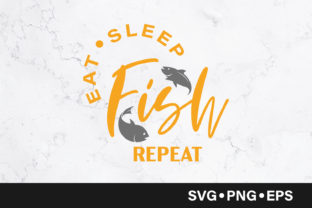
The first thing that stood out to me about Eat Sleep Fish Repeat is its bold, confident tone. The design feels playful yet purposeful, making it ideal for casual wear or lighthearted handmade items. The layout is clean and well-balanced, with enough visual interest to stand out without being overwhelming. It uses a modern font style that blends humor with a bit of edge, which immediately told me this could work well on everything from tote bags to baby clothes with the right adjustments.
What also impressed me was the inclusion of a fish icon alongside the text. This subtle addition gives the design a unique identity and makes it more than just a quote—it becomes a brandable graphic. For craft business owners and handmade shop creators, that kind of personality can make all the difference in customer engagement.
Real-Life Application and Stitch Performance
I decided to test Eat Sleep Fish Repeat on a cotton-blend sweatshirt using a standard 6x10 hoop size. The result? Surprisingly clean stitching with minimal distortion. The lettering held up well under satin stitch, and the fish icon, though stylized, stitched neatly with consistent fill patterns.
- Custom Apparel: This design works beautifully on t-shirts, hoodies, and sweatshirts. Its width allows for full coverage without feeling cramped, especially if you use a slightly curved layout to follow the natural contour of the garment.
- Tote Bag Design: I tried it on a linen tote and found that the contrast between the thread color and fabric made the design pop. The transparency of the PNG file helped me position it accurately before hooping.
- Baby Embroidery: While the phrase itself isn’t particularly sweet, I softened the look by using pastel thread colors and paired it with a simple border. The outcome was a fun and personalized piece for a young angler-in-training.
- Embroidered Patch: The design scaled down well for a patch application, maintaining clarity even at smaller sizes. However, I noticed that the fish icon required a bit more attention when resizing to avoid losing detail.
Design Versatility in Action
For holiday gifts, I added a festive red trim around the edges and changed the background to a soft navy. It looked great on a set of aprons for a Father’s Day sale. On the other hand, when used on a nursery decor item like a wall hanging, the same design took on a different vibe when paired with a minimalist white canvas and gold thread.
What I really appreciated was how easily the design adapted to various styles and purposes. Whether I wanted to create something edgy for a teen’s jacket or a cozy family gift, Eat Sleep Fish Repeat offered flexibility through its clean lines and recognizable shape.
Where to Use with Caution
While this design is strong and adaptable, there are a few areas where I’d recommend extra care:
- Small Hoop Sizes: If you're working with anything smaller than a 4x4 hoop, some letters may become too tight or lose their charm. Always check the proportions.
- Textured Fabrics: The fine details in the fish icon didn’t hold up well on a burlap tote. Stick to smooth or medium-weight fabrics unless you’re prepared to adjust stitch types.
- Thin or Stretchy Fabric: On lightweight knits, the design had a tendency to pucker. Adding a washable stabilizer underneath improved the results significantly.
- Dark Backgrounds: The default black thread worked well on light-colored garments, but on darker materials, it wasn’t as visible. Using a contrasting thread color made a huge difference in clarity.
- Curved Surfaces: When I tried it on a cap, the curvature caused slight distortion. Resizing the design to fit the flat part of the brim helped maintain legibility.
- Frequent Washing: As a general rule, designs with dense stitch areas may wear faster over time. For items like tea towels or aprons that get regular use, consider simplifying the stitch count or using heavier thread weights.
Impact on Product Value and Customer Appeal
From a branding standpoint, Eat Sleep Fish Repeat adds a memorable touch to any project. It’s the kind of phrase that people recognize instantly, and when paired with the fish icon, it becomes a signature element for a craft business or small shop product. I’ve seen similar designs boost buyer engagement on Etsy listings, especially when used consistently across multiple items.
As a machine embroidery design, it contributes to the professionalism of your finished product. Clients and customers notice the quality of the stitching and appreciate the thoughtfulness behind the placement. That said, the design’s character means it might not suit every audience. For example, while it’s perfect for a men's sweatshirt embroidery project, it may feel too niche for broader apparel lines unless intentionally curated.
Designer Notes and Best Practices
Here are some tips I followed—and recommend—to anyone planning to use Eat Sleep Fish Repeat in their own projects:
- Test on Scrap Fabric First: Especially if you plan to scale it down or apply it to a non-standard surface like a curved cap or stretchy knit.
- Check Thread Color Contrast: The PNG file helps visualize placement, but don’t forget to run a black-and-white mockup to ensure visibility on any fabric.
- Review Stitch Density: Areas with tighter stitch spacing (like the ‘E’ and ‘S’) may need adjustment depending on the fabric weight and machine capabilities.
- Confirm Hoop Size: Though no specific measurements were provided, I recommend testing it in at least a 6x10 hoop for optimal results. Smaller hoops will require careful scaling.
- Inspect Small Details: The fish icon has delicate features. Ensure your machine and needle are set up properly to handle these without breaking thread or distorting shapes.
- Use Proper Stabilizer: Especially on thin or stretchy materials, backing stabilizer can prevent puckering and enhance stitch definition.
- Confirm Licensing Before Selling: Since this is a digital embroidery file, double-check what permissions come with it. Some files are strictly for personal use, others allow commercial resale. Know your rights before listing it as part of your design assets.
Embedding in Digital Mockups and Previews
For digital product sellers and Embroidery Project creators, the transparent PNG included in the zip file is a valuable asset. It allows for quick integration into printable mockups and online previews, helping buyers visualize how the design would appear on their chosen item. I used it on a mockup generator for an embroidered patch listing and saw immediate improvement in click-through rates and customer inquiries.
Final Thoughts for Real-World Use
Eat Sleep Fish Repeat is a strong contender for casual and themed embroidery projects. It brings a sense of humor and lifestyle appeal that resonates well with hobbyists and creative entrepreneurs alike. However, its success depends on thoughtful execution—choosing the right fabric, thread, and placement for each finished product.
Whether you're preparing a batch of tote bag designs for your Etsy store or designing a line of custom apparel for a boutique, this design offers a solid base. Just remember to adapt it according to your materials and machine settings. With the right tweaks, Eat Sleep Fish Repeat can become a staple in your embroidery project lineup and help elevate the overall presentation of your handmade products.
In short, it’s not just another SVG or PNG—it’s a design with character, ready to be shaped into something meaningful for your Graphics and Crafts ventures.